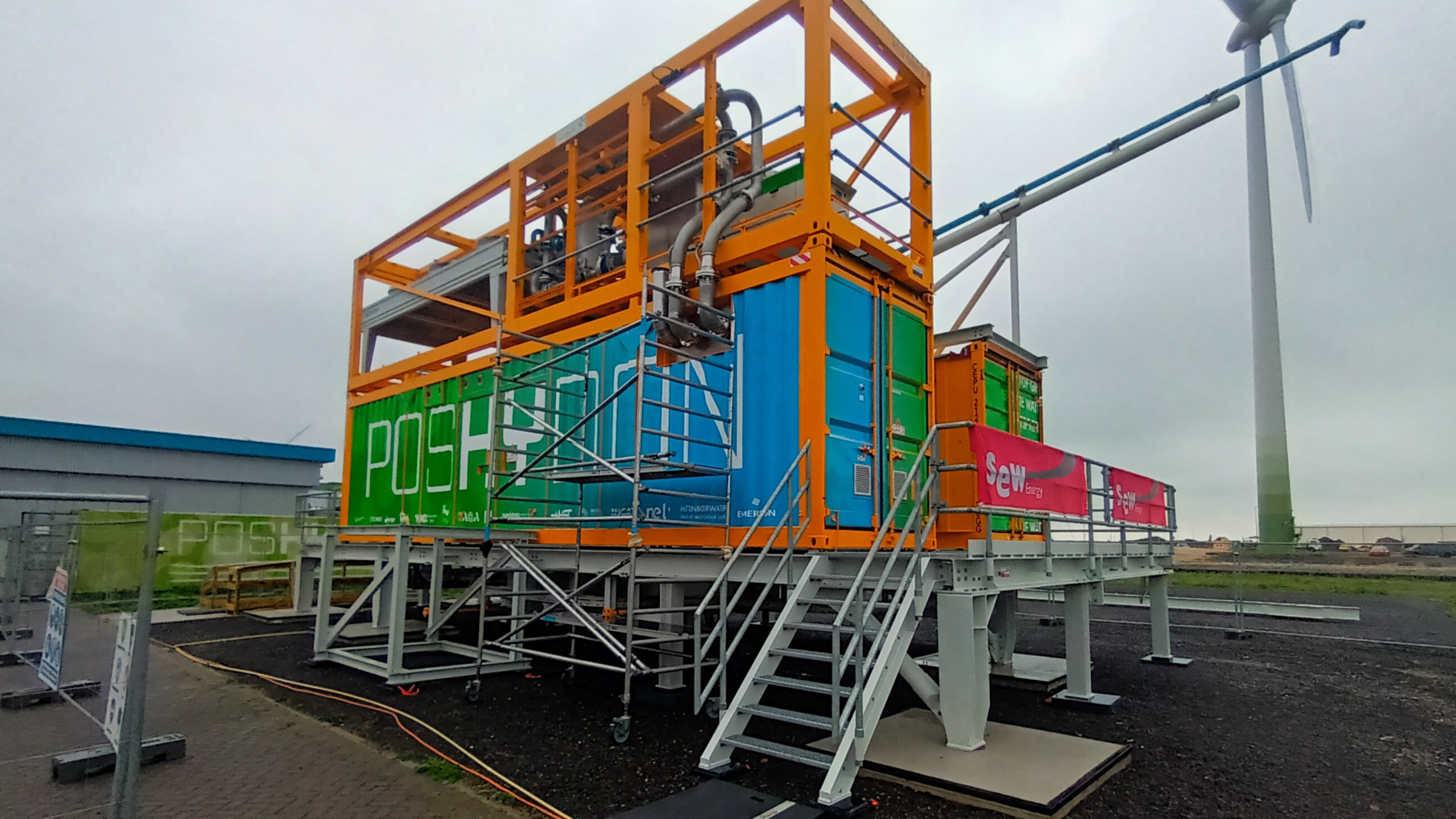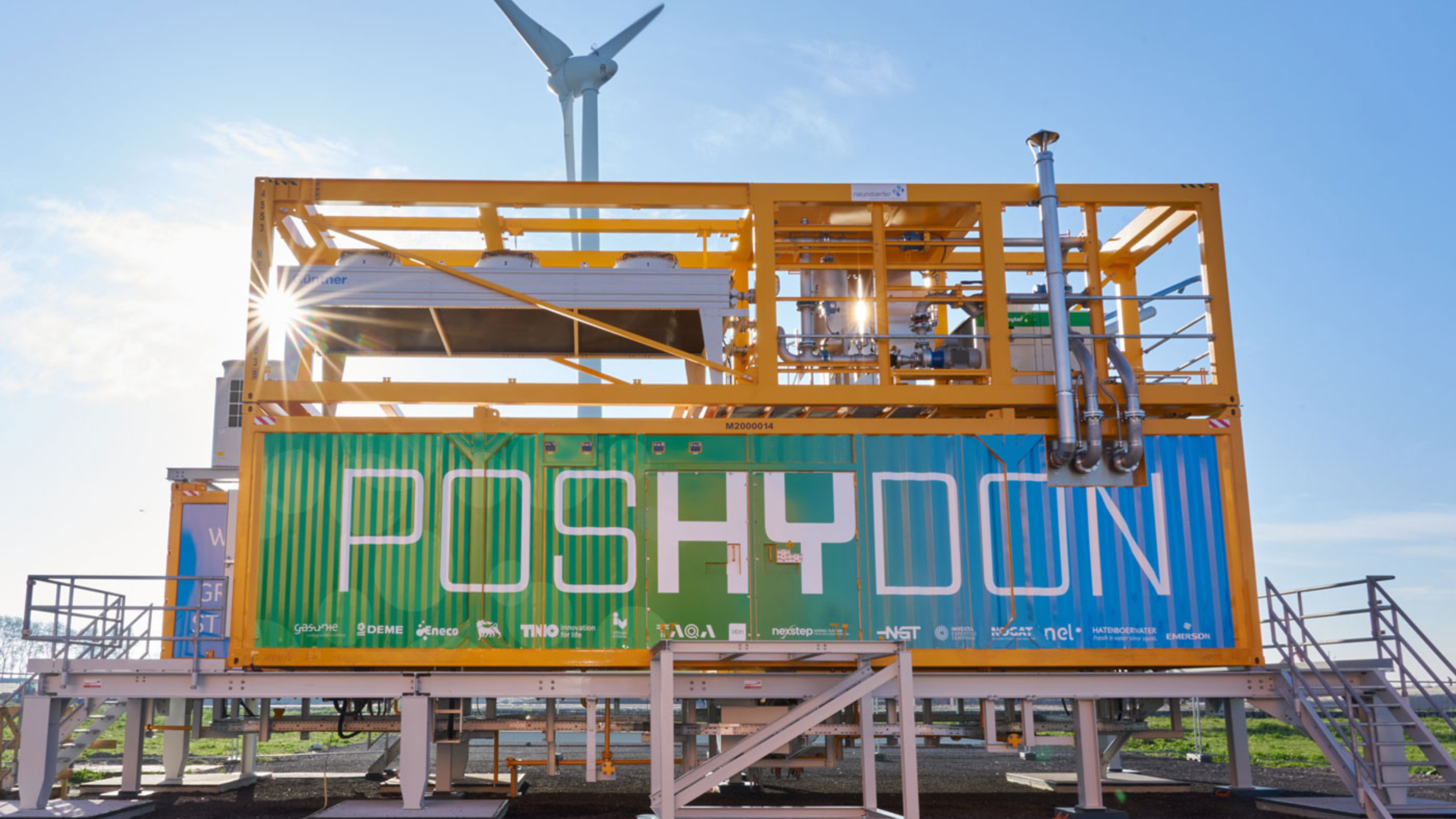

ENI developed the innovative concept together with their consortium team Project PosHydon. In collaboration with SEW Energy, they realized this concept.
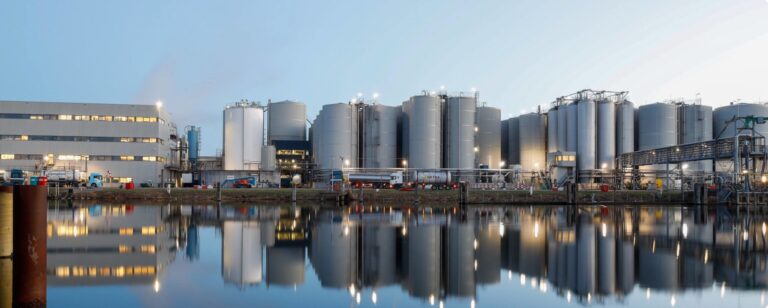
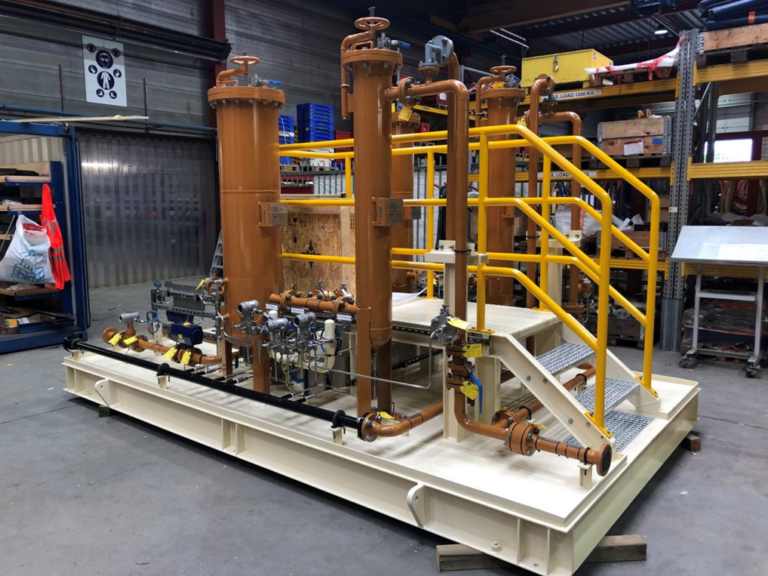
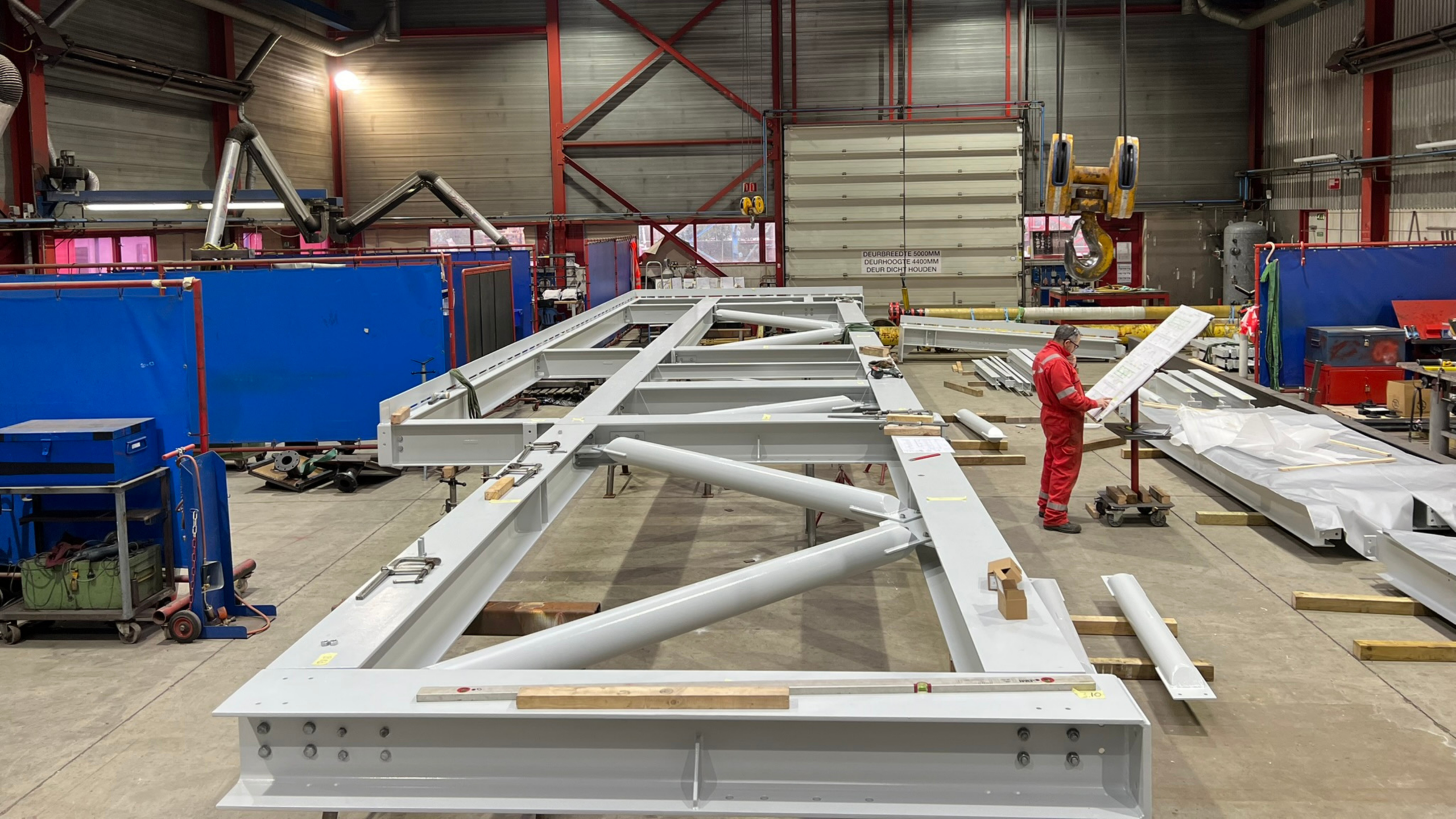
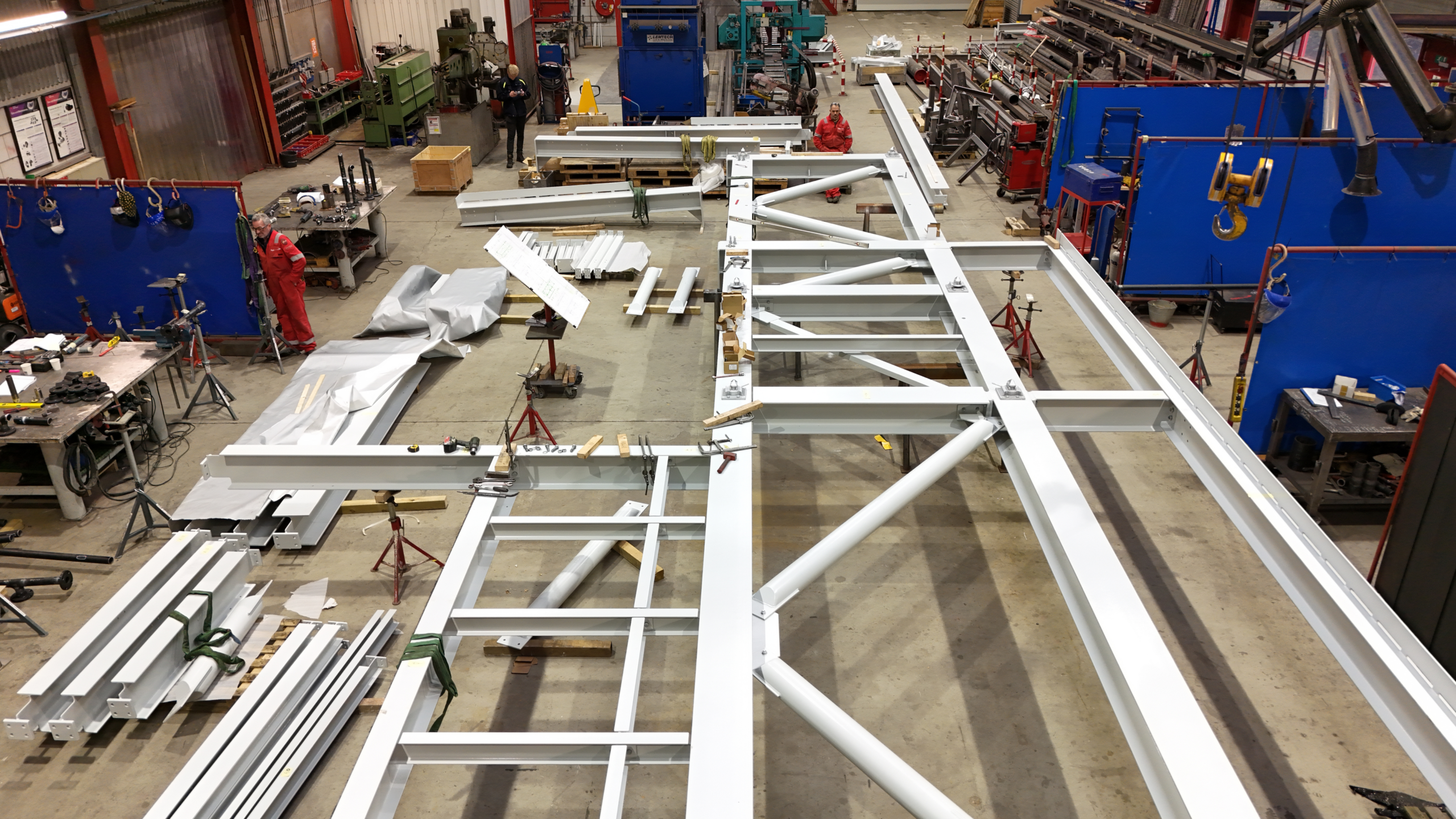
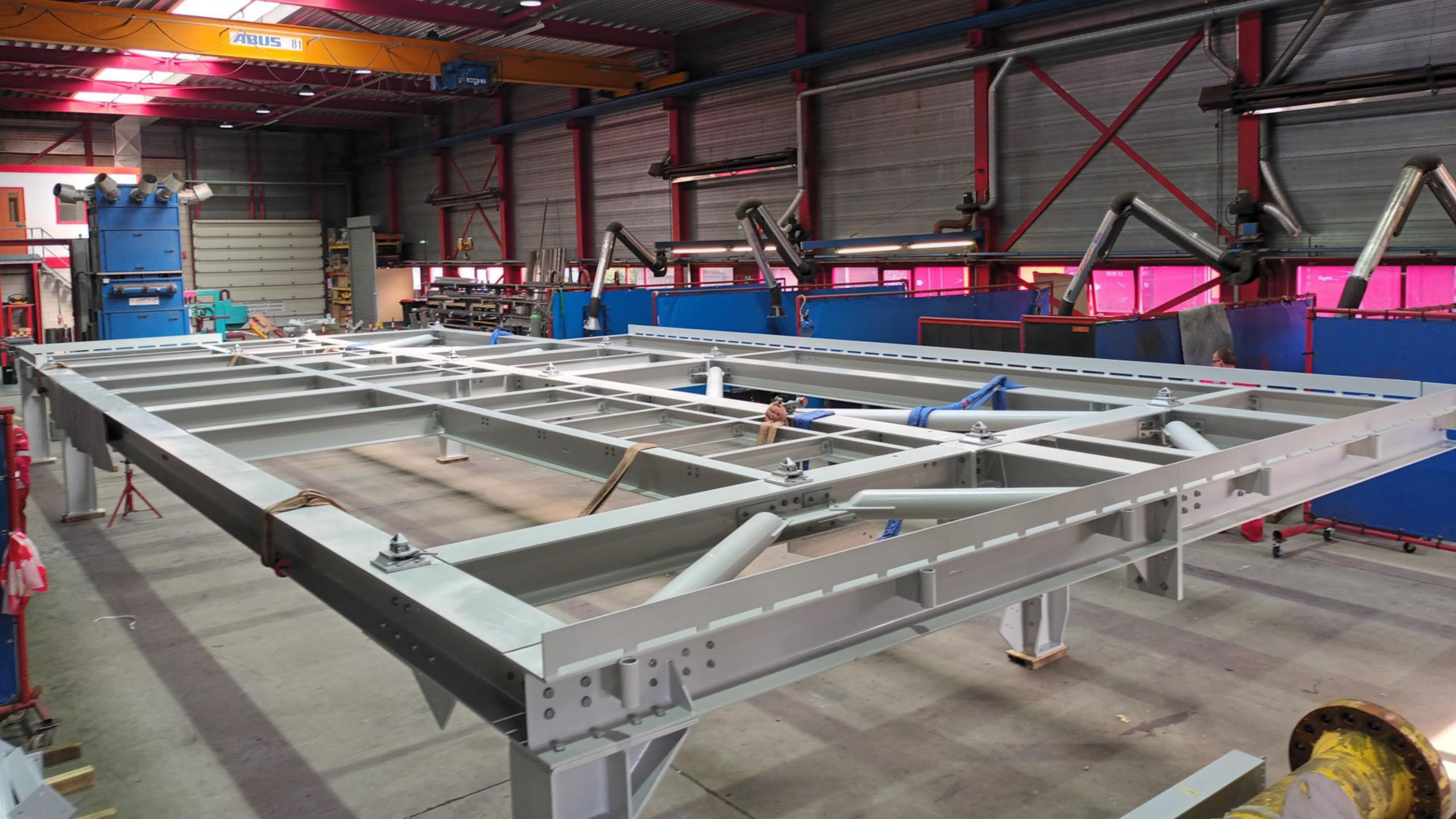
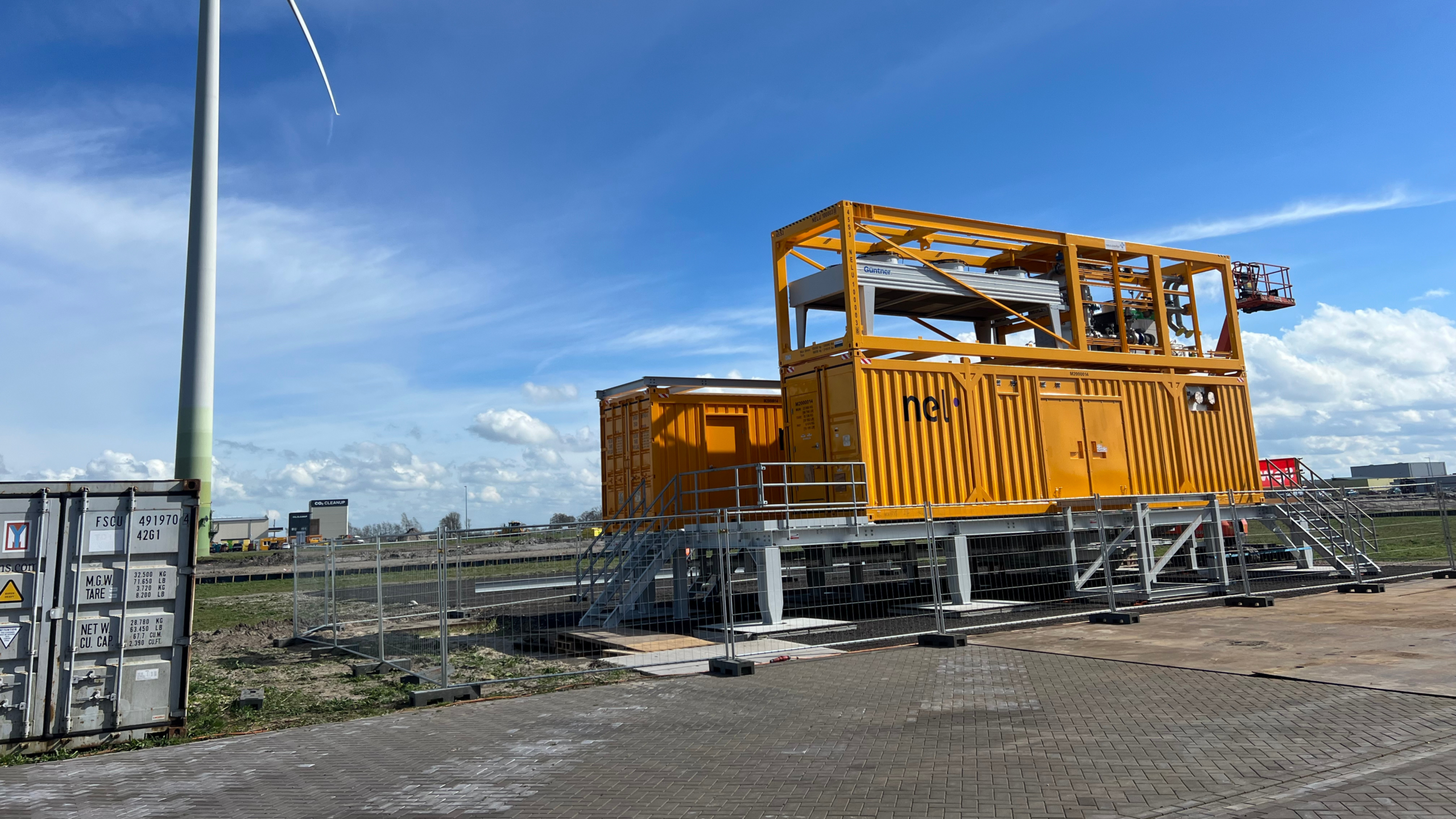
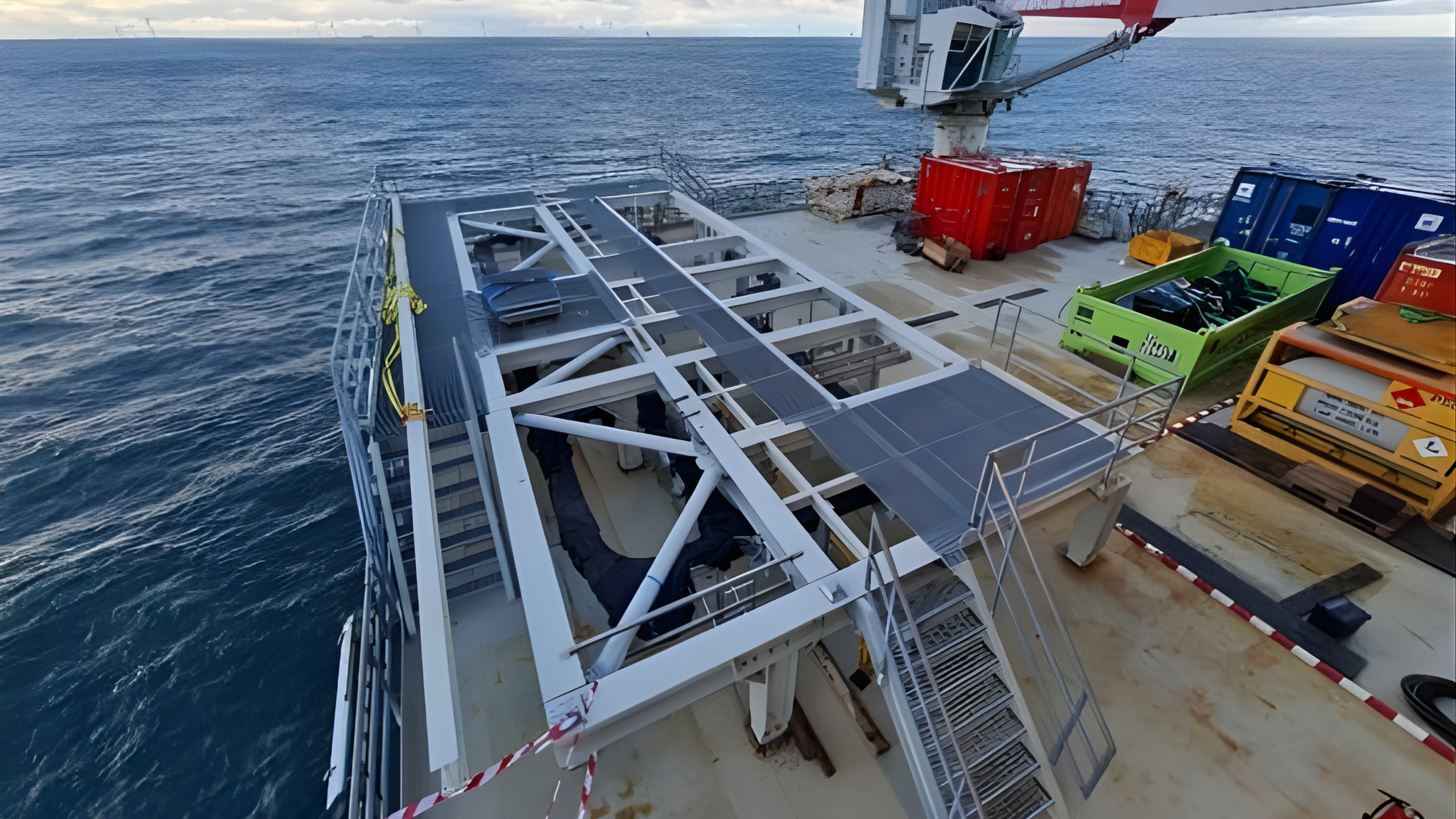
The project began at the onshore test site in Alkmaar, where a fully functional setup was built with all the necessary components. A key component, the 16 by 8 meter base frame, was manufactured in the SEW production hall in Broek op Langedijk. This frame, with a total weight of approximately 80 tons, was then transported in sections to the Investa test site, where all the components were assembled.
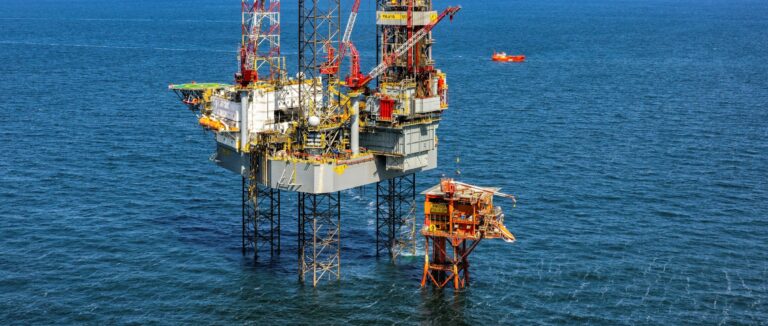
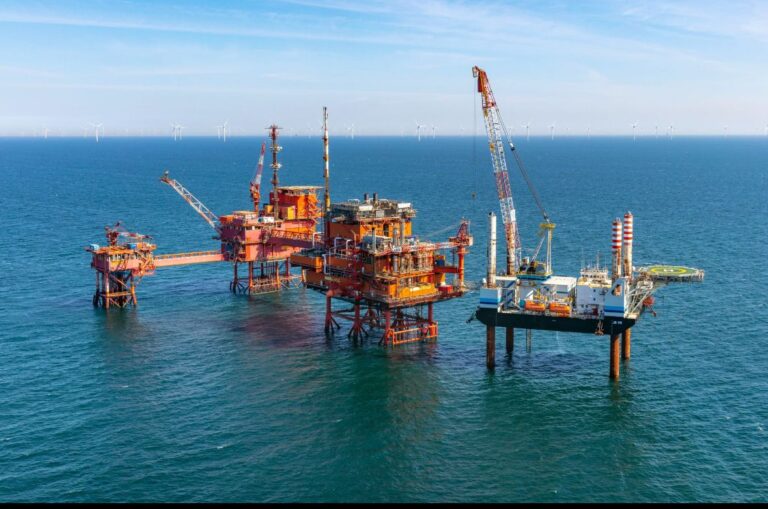
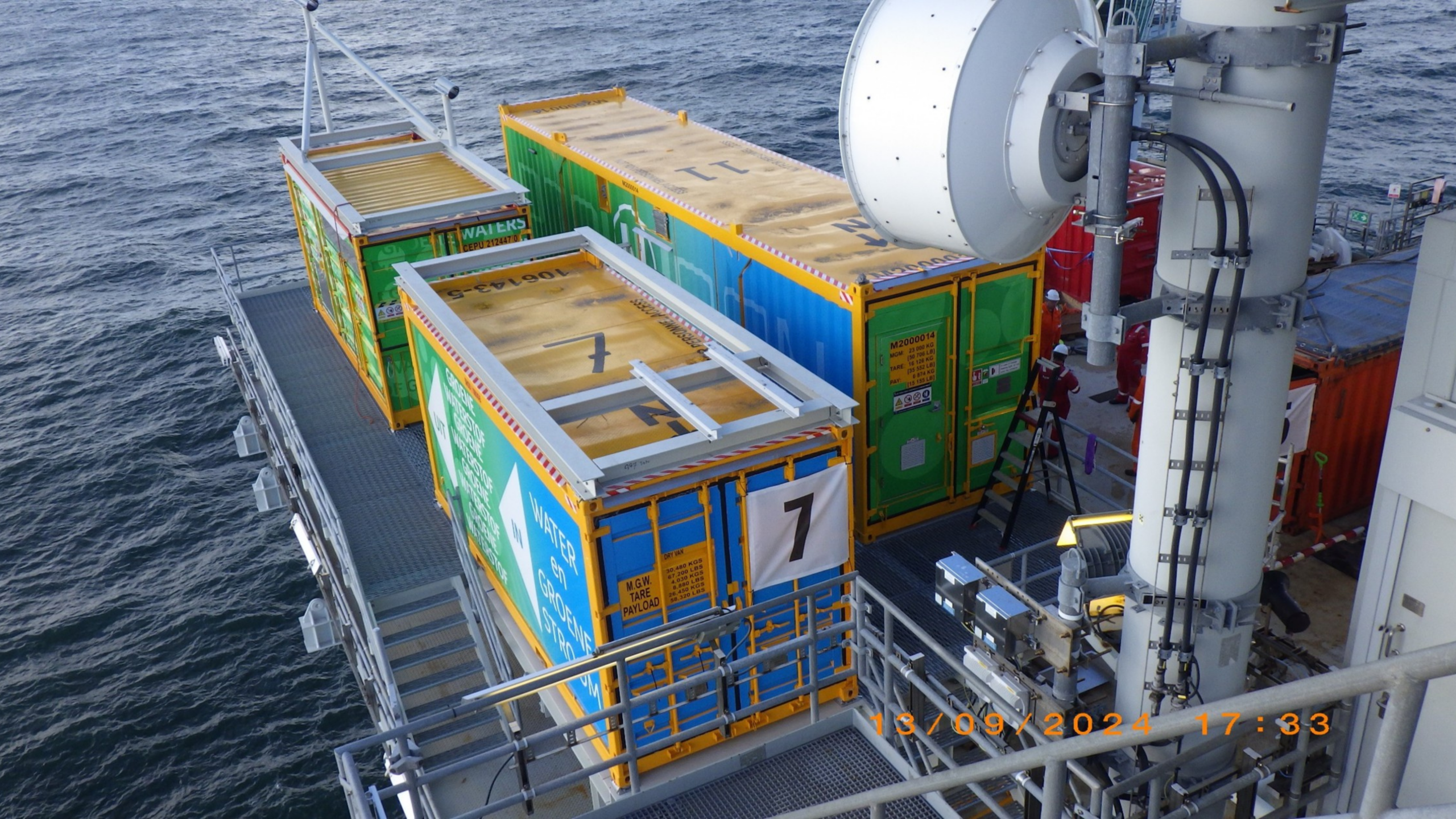
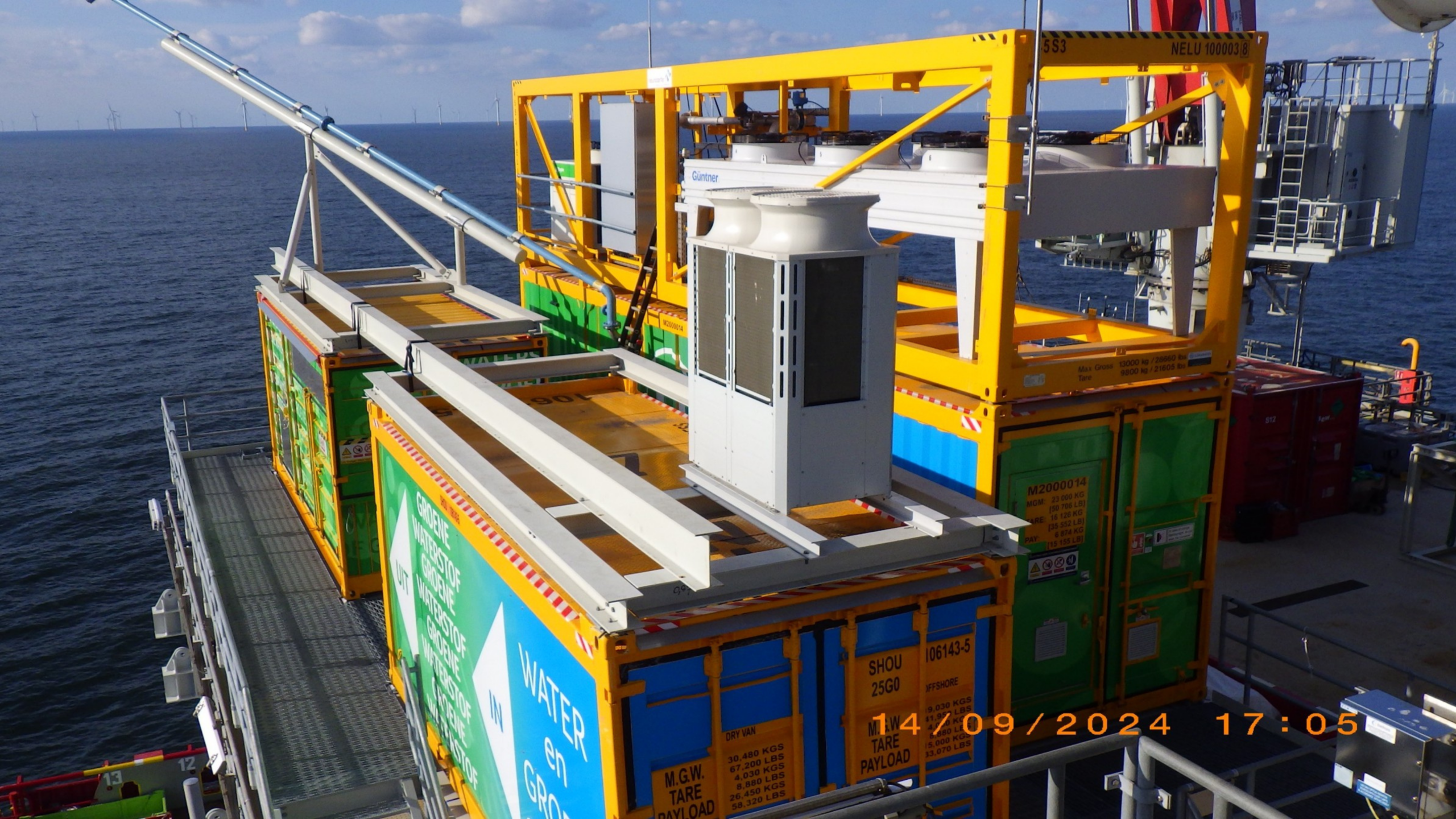
After a successful test phase, the complete installation, spread over eight trucks, was transported to Den Helder and loaded onto an offshore supply vessel for transport to the offshore platform Q13-A.
Thanks to the close collaboration between SEW Energy and ENI Energy, the entire installation was erected on the platform within one week, an impressive achievement that underlines efficiency, craftsmanship and teamwork.
Project PosHydon demonstrates how innovative ideas, technical expertise, and multidisciplinary collaboration come together to make complex projects successful, both onshore and offshore.
The challenge
The PosHydon project is one of the first initiatives worldwide to test hydrogen production at sea. This presented not only technical challenges but also strict requirements regarding safety, transport, and the integration of various systems. SEW Energy was asked to support both the preparation and implementation, both onshore and offshore, and to oversee the entire process until handover to the client.
The approach
SEW Energy brought together various disciplines to realise this innovative project:
- Mechanical work & manufacturing
Performed in the workshop and on location (onshore/offshore), including piping and construction work according to various isometric and construction drawings. - Transport
Both horizontally and vertically, with trucks and cranes for the safe movement of heavy components. - Electrical Engineering & Instrumentation (E&I)
Thinking along, engineering and bringing together all units into one integrated whole, including process containers and instrumentation. - Equipment management
Coordination of all necessary materials and resources for the onshore and offshore phases. - Quality assurance & documentation (QC)
Prepare and manage QC documentation throughout the project.
The project size was significant:
- Project management: 2,186 hours
- Prefab: 1,450 hours
- Assembly E&I and mechanical: 6,325 hours
During the onshore phase, a team of four mechanical and five electrical and electronic equipment (E&I) specialists worked on the preparations for five months. The entire installation was then assembled offshore in 16 weeks and handed over to ENI Energy.
The result
The project was completed safely, efficiently, and on schedule. The installation was fully erected on the offshore platform in just one week, a feat achieved through tight coordination, experienced teams, and excellent collaboration between SEW Energy and the client.
Project PosHydon has shown that sustainable energy innovation can go hand in hand with practical feasibility and safety.
The collaboration
SEW Project Manager:
“ENI Energy asked us to provide technical support, both onshore and offshore, in putting together the PosHydon project.
This project brought together multiple disciplines, making it a challenging yet successful undertaking, thanks in part to the excellent and constructive collaboration. The engineering and on-site decking were also key components. The project was completed to everyone's satisfaction throughout, and several successful follow-up projects quickly followed.”
— Project Manager SEW Energy